This article contains affiliate links. We may earn a small commission if you make a purchase, at no extra cost to you.
Table of Contents
How to get to Tokyo
If you’re travelling internationally, you’ll most likely land at either Haneda Airport or Narita Airport. Haneda is closer to the city centre and easier if you can get flights there, but Narita is also very well connected.
From the airport, the easiest way into the city is by train. Tokyo’s public transport is extremely reliable, but stations can feel busy, especially if it’s your first time. Airport trains like the Narita Express or Keikyu Line make getting into central Tokyo straightforward, and taxis are also an option if you’re travelling with luggage and want something simple.
If you’re arriving in Tokyo from another Japanese city, the Shinkansen (bullet train) is the fastest and most comfortable way to travel. Trains are always on time, seats are spacious, and the experience itself is part of the trip. I booked my train tickets through Klook, which made everything easier, especially when moving between cities. Don’t forget to use THEGIRLSTRIPTOKLOOK if you’re booking transport or tickets there.
How long do you need in Tokyo?
If you’re travelling a long way to get there, it’s worth giving yourself enough time to settle in. Tokyo is huge, jet lag is real and many neighbourhoods feel like completely different cities, so having a few extra days makes a big difference to how much you actually enjoy it. I’d recommend spending at least 5 days in Tokyo to really enjoy the city without feeling rushed.
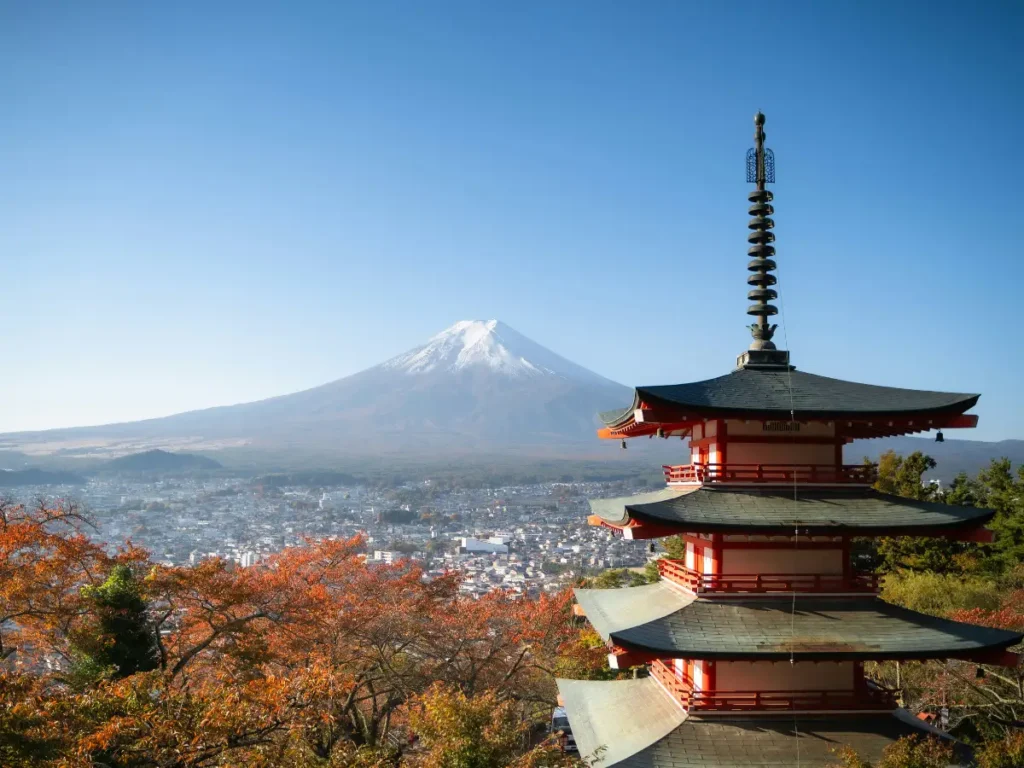
With five days you can explore areas like Shibuya, Shinjuku, Asakusa and Harajuku at a relaxed pace, and still have time for quieter moments like temples, parks and cafés. It also gives you flexibility if you want to do a day trip to places like Hakone or Mount Fuji.
If you only have 3-4 days you’ll still see the highlights, but it can feel fast paced and busy. Anything less than that and you’ll likely feel like you’re constantly moving without really soaking it all in. For a first trip I personally recommend five days as the sweet spot for a well rounded Tokyo experience.
How to get around Tokyo
Tokyo’s transport system looks overwhelming at first but once you’ve used it a couple of times it’s surprisingly easy. The city is extremely well connected by trains and subways, and you can get almost anywhere using public transport without needing a car or taxi.
The easiest way to get around is with a Suica card (or PASMO which works in exactly the same way). It’s a prepaid travel card that you tap in and out of stations and it works across trains, subways and buses in Tokyo, as well as in most other cities in Japan too.
Suica isn’t just for transport either. You can also use it in convenience stores, vending machines, lockers and some cafés and restaurants, which makes paying for small things quick and easy without constantly using cash.
If you have an iPhone the simplest option is to add Suica to Apple Wallet before or during your trip. You can top it up instantly using a card, avoid queues at ticket machines and use your phone to tap through barriers. Physical Suica cards are also available at some stations, but digital is by far the easiest option if you can use it.
Google Maps works incredibly well in Tokyo and will tell you exactly which line to take, which platform to use and how long your journey will be. Once you’ve done a couple of trips, getting around Tokyo quickly becomes second nature.
Things to know before going to Tokyo
If this is your first time visiting Tokyo it can feel like a lot at first, but a little preparation goes a long way.
- Cash is still widely used especially in smaller restaurants and local spots so it’s a good idea to carry some yen.
- Public transport is incredible but stations are big and busy, so give yourself extra time and don’t panic if you need to stop and get your bearings.
- Having data is essential in Tokyo. I really recommend setting up an eSIM before you arrive so you can navigate, translate menus, and book things on the go. You can buy a Japan eSIM through Klook, and it makes the whole trip feel much smoother from day one.
I’ve also written a full blog post on things to know before travelling to Japan, which is worth reading if you’re planning your first trip.
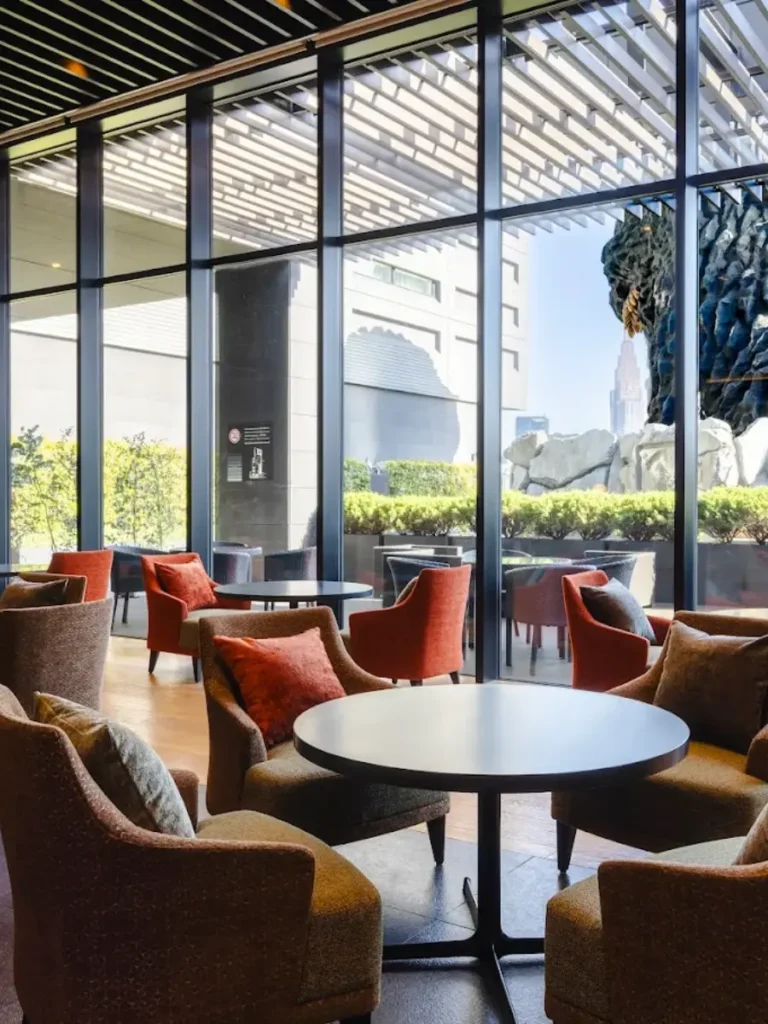
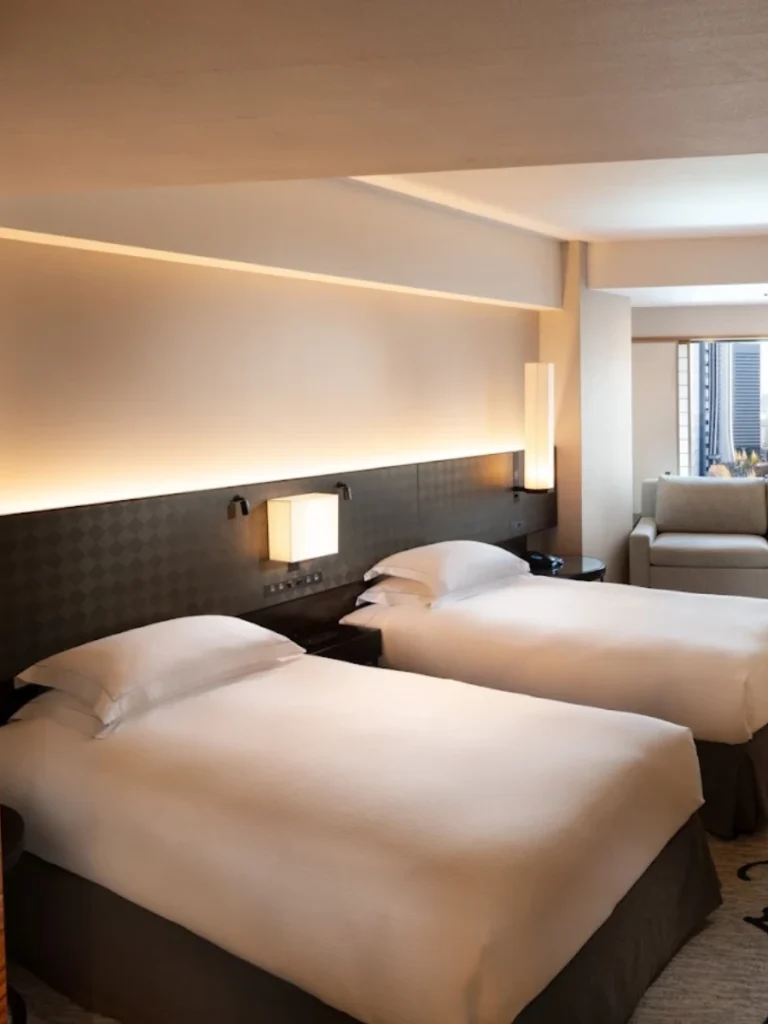
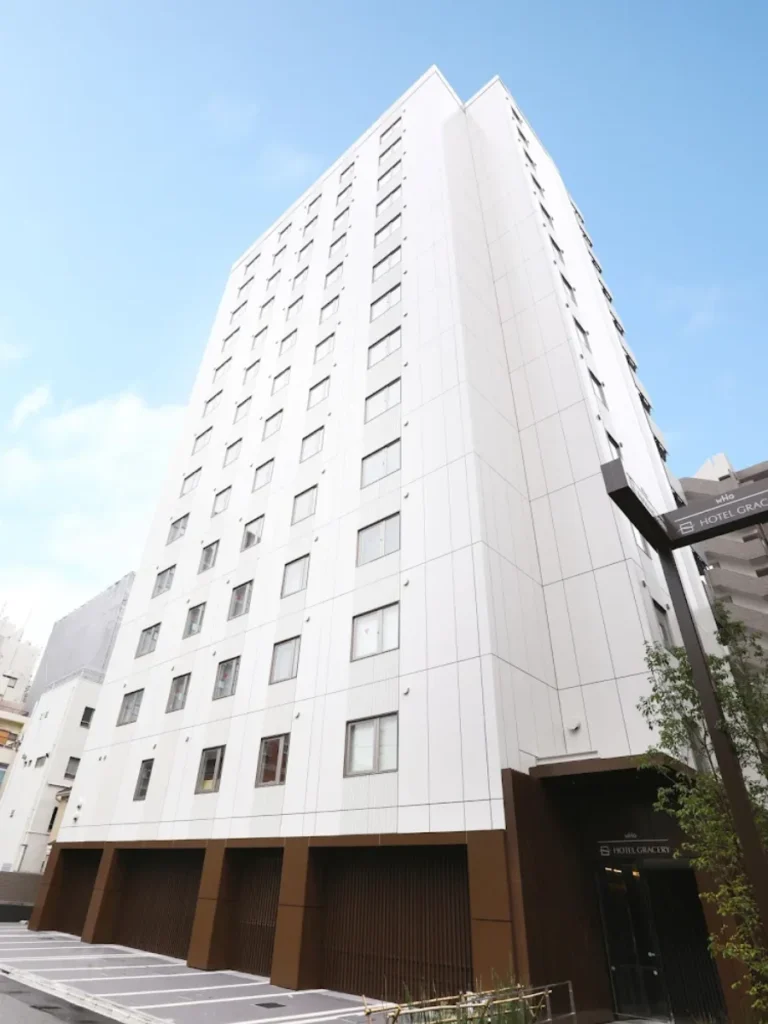
Where to stay in Tokyo
Best hotels in Shibuya
Best hotels in Asakusa
Things to do in Tokyo
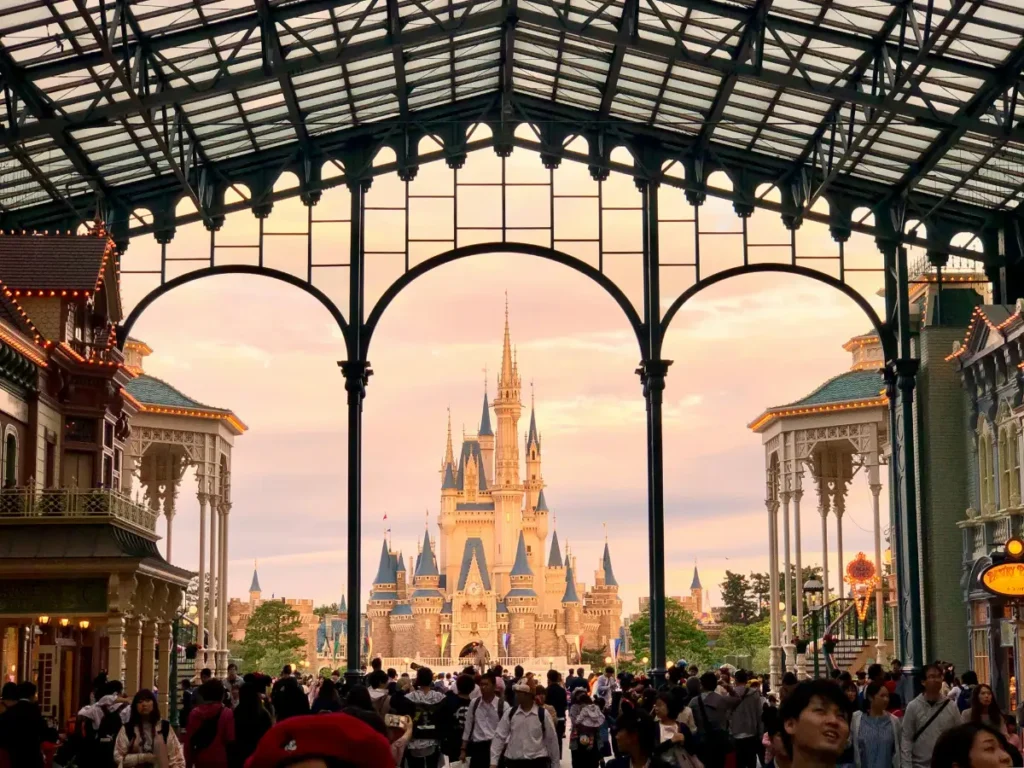
Tokyo Disney Resort
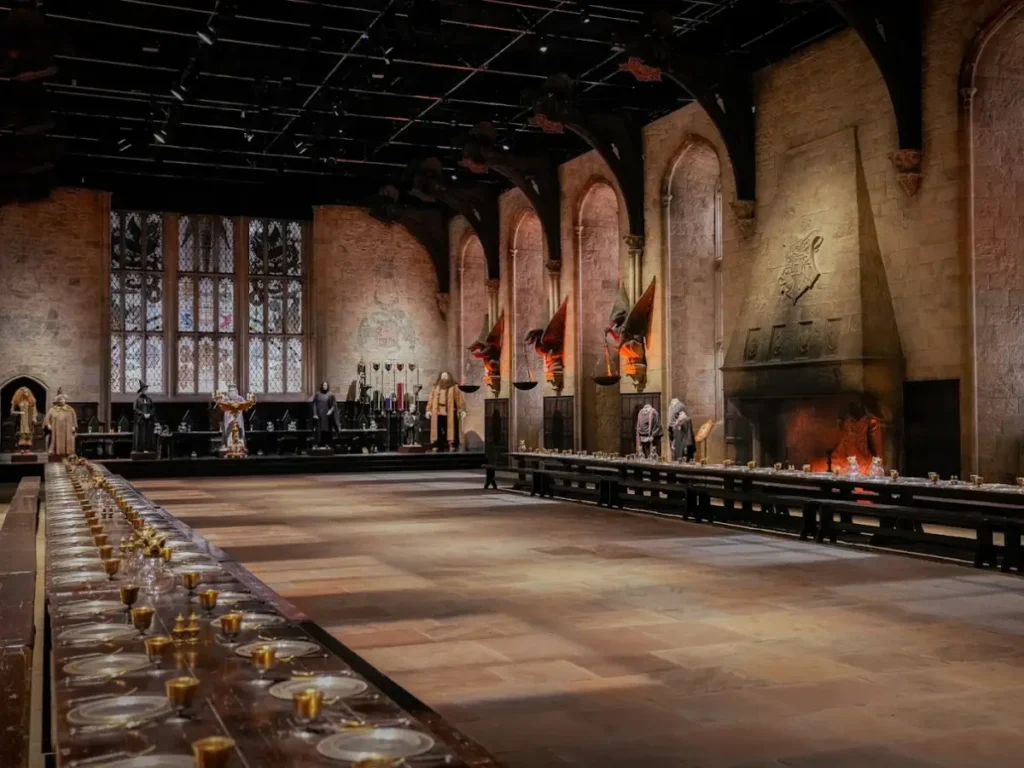
Warner Bros. Studio Tour Tokyo – The Making of Harry Potter
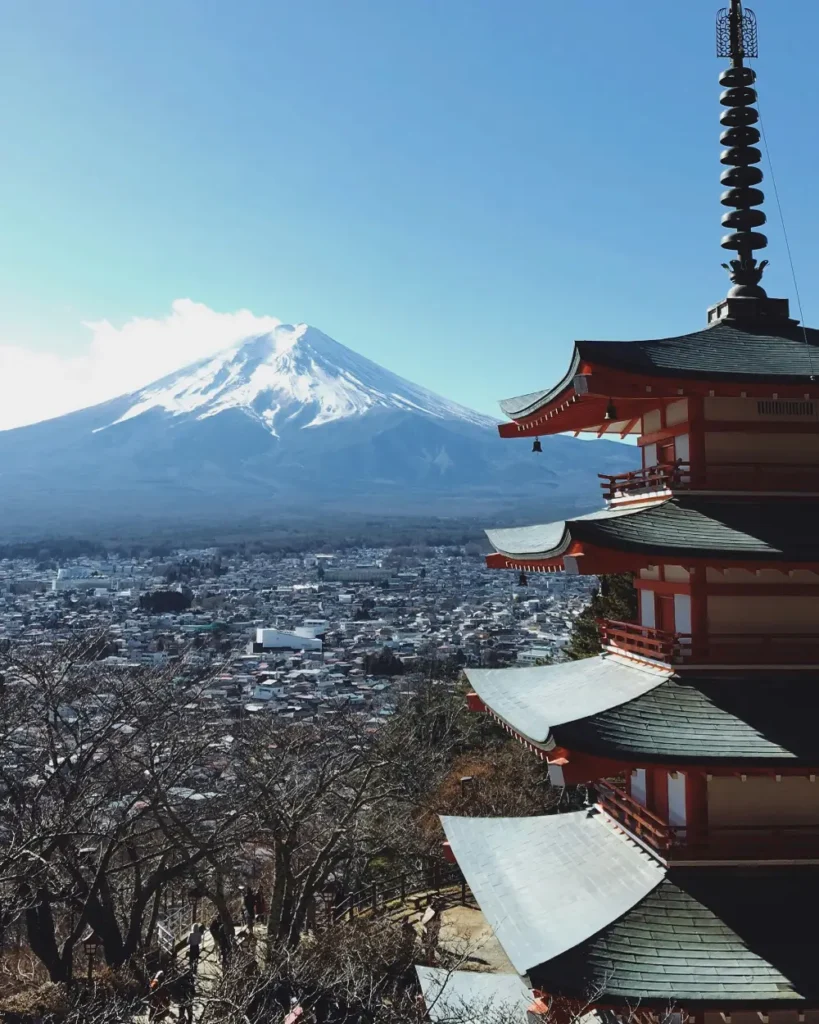
Mount Fuji Day Trip from Tokyo
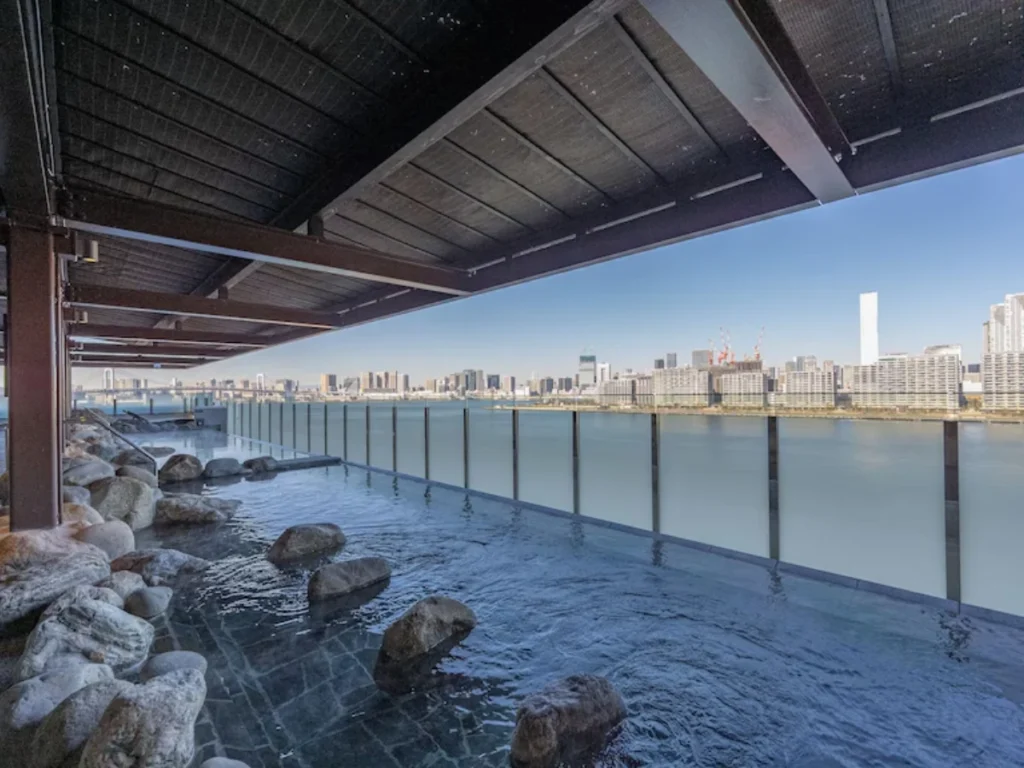
Toyosu Manyo Club Onsen
Free things to do in Tokyo
Shibuya Crossing
Sensō-ji
Meiji Shrine
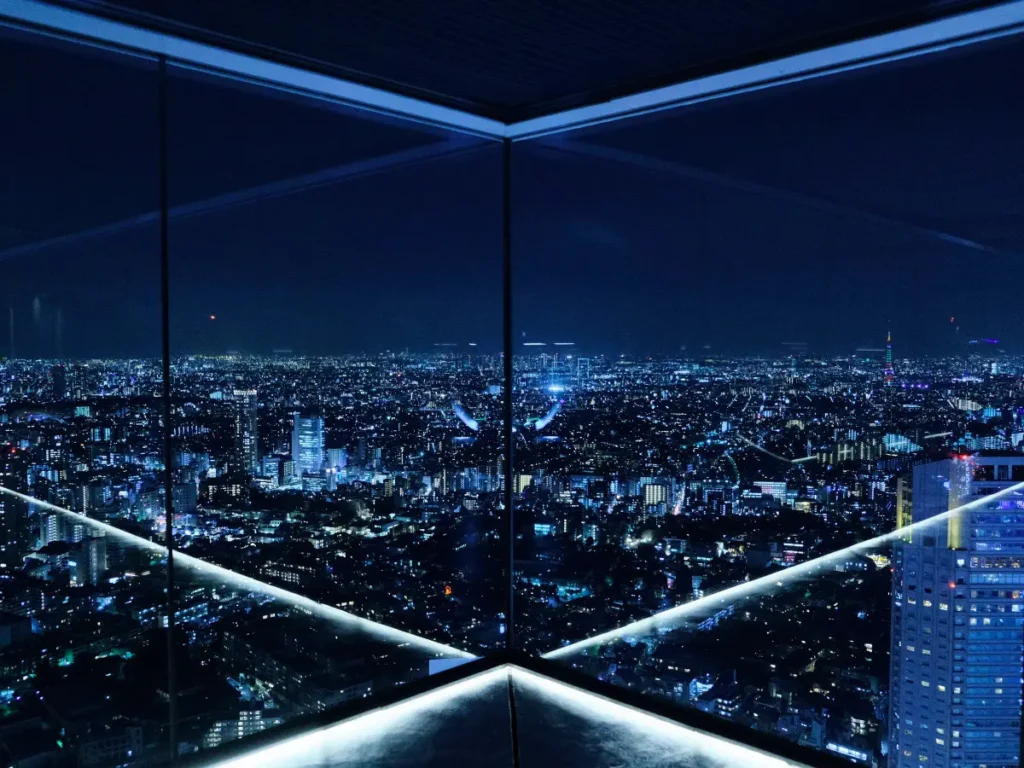
Tokyo Metropolitan Government Building
Golden-Gai
Yoyogi Park
Shinjuku Central Park
Odaiba Waterfront
Harajuku
Godzilla Head
Imperial Palace – if you want tour you need to apply here
Where to eat in Tokyo
- Bark Bake & Roast
- Lambert
- Onibus Cafe
- Cafe Reissue
- Glitch Coffee
- % Arabica Coffee
- Good Sound Coffee
- Matsubaya Saryō
- Cois Espresso Club
- Eggs ‘n Things
- Ivy Place
- Bills
- The Front Room
- New New York Club Bagel & Sandwich Shop
- Bricolage bread & co.
- The Little Bakery Tokyo
- Locale
- Bam Bi Coffee
- Kith Treat
- Flipper’s
- Age.3 Ginza
- Chacha Futatsume
- Hatoya Asakusa
- Truffle Bakery
- I’m Donut?
- Amam Dacotan
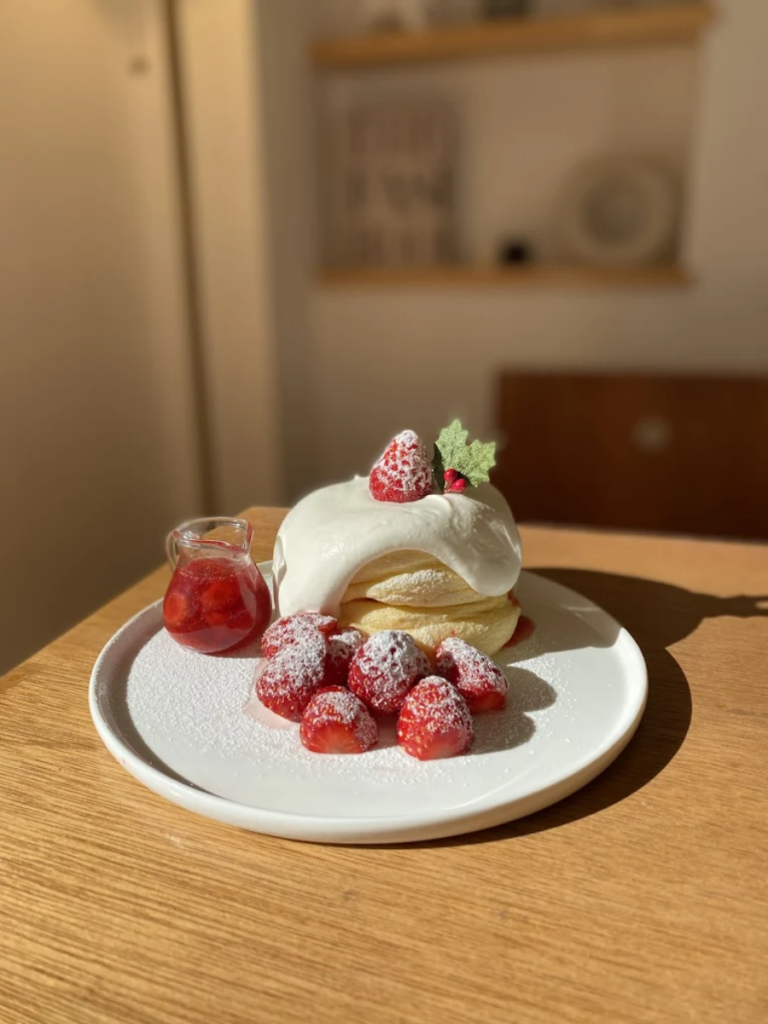
- Benitsuru Pancake
- Shogun Burger
- Udon Shin
- Pizza Marumo
- Gyukatsu Motomura
- Toriyoshi – Kichijoji
- Oreryo Shio Ramen
- Tonkatsu Hinata
- Ce La Vi
- Two Rooms Grill
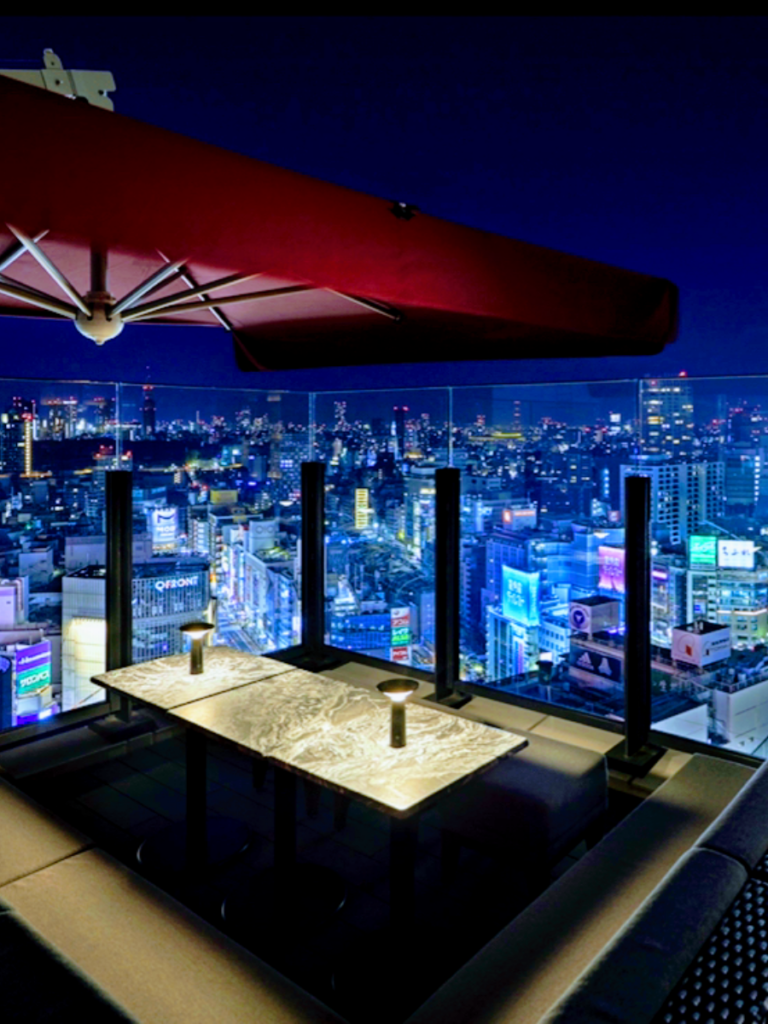
- Rooftop Bat Andaz
- Sky Longue Stellar Garden
- The Jade Room + Garden Terrace
- The Roof at The Tokyo Edition
I hope this travel guide to Tokyo has helped you plan your trip and gave you a few new ideas to add to your itinerary. Don’t forget to use my discount code THEGIRLSTRIPTOKLOOK if you are booking any of your experiences through Klook.