Things to know before going to Japan in 2026
(Everything I learned from my trip including apps, must do bookings and tips you’ll wish you knew sooner!)
Japan is honestly one of those places that is like nowhere else in the world.
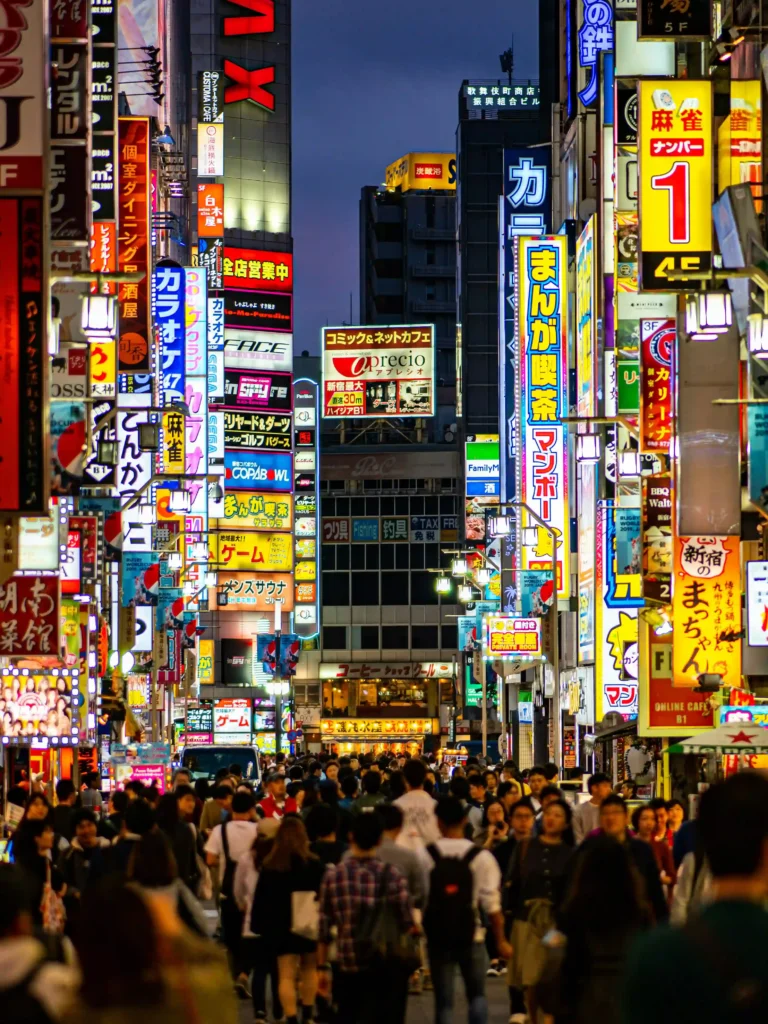
From the moment you step off the plane it feels like stepping into a world where everything just works (with that futuristic feel to it) trains that run to the second, streets that are spotless and food that’s so good even convenience stores feel gourmet.
If you’re planning your first trip, there are a few things to know before going to Japan that can make the experience smoother and help you make the most out of every moment. After spending time travelling between Tokyo, Osaka, and Kyoto, I’ve pulled together everything I wish I’d known before going.
This article contains affiliate links. We may earn a small commission if you make a purchase, at no extra cost to you
Japan Essentials
Book Japan hotels here – Booking.com / Agoda / Hotels.com
Book Japan activities here – Viator / Get Your Guide / Klook – use my discount code THEGIRLSTRIPTOKLOOK
Book eSim here – Holafly – use my discount code THEGIRLSTRIPTO
Things to know before going to Japan in 2026
1. Book All your Attractions on Klook

Before you even get on the plane it’s worth getting most of your tickets and experiences sorted and Klook honestly made that part of the trip so easy. I used it to book Universal Studios Osaka, Tokyo DisneySea as well as our go karting through the streets of Tokyo experience (which is something everyone should do at least once).
The app isn’t just for attractions either. You can also use it to book the Shinkansen bullet train, airport transfers, eSIMs and even hotels. It’s one of those things that completely takes the stress out of trip planning because you can just show your phone and go.
If you’re new to Klook you can use my code THEGIRLSTRIPTOKLOOK for 10% off your first booking, or 3% off if you’re already an existing customer. It’s genuinely one of the most helpful travel apps I’ve used as everything was organised in one place, and it made navigating Japan’s ticket heavy attractions so much simpler.
2. Must Have Apps for Japan
Japan runs on convenience and precision and the right apps will make your life a lot easier once you’re there. These were the ones I found most useful:
Kuli Kuli App
Kuli Kuli is a travel translation app that instantly translates signs, menus and handwritten notes. It’s perfect for when you’re in a restaurant that doesn’t have English menus or trying to work out what something says in a shop. You just point your phone and it translates it on screen. What I liked most was that it doesn’t just translate literally AND it gives you a bit of context, so if something’s a local dish or a cultural reference it helps you understand what you’re actually looking at.
Flush
If you ALWAYS need to go for a wee, then this app is definitely for you!! Public toilets in Japan are spotless (and high tech ) but sometimes when you’re out exploring all day, finding one can take a bit of effort. The Flush app shows you where the nearest restrooms are and gives you directions to get there, which is surprisingly handy when you’re sightseeing all day.
Google Maps
This app was used 24/7 especially for navigating the metro. Japan’s transport system is amazing but can look confusing at first. Google Maps tells you exactly which platform to go to, how many stops there are, what carriage to board and which exit to take when you arrive. It’s accurate down to the minute and shows live updates, so even if you’re switching between different train lines it makes getting around so much easier.
Popular Attractions in Tokyo
3. Understanding the Different Suica Cards
You’ll hear a lot of people mention the Suica card, and honestly it’s one of the first things you should sort when you land. Suica cards are rechargeable travel cards used for public transport, convenience stores and even vending machines. The main reason it’s so useful is that you don’t have to carry around lots of cash or fumble with coins every time you want to pay for transport or small purchases, and everything just works with a simple tap. There are three main options and the one you choose just depends on what’s easiest for you:
1. Mobile Suica
This is the easiest and most convenient option as you can add a Suica card directly to your Apple Wallet or Google Pay before you even arrive in Japan. You just top it up with your normal bank card and then tap your phone at ticket barriers or store readers. It updates instantly and works exactly like a normal Suica card except you never have to queue to buy or reload it.
2. Physical Suica Card
If you prefer a physical card you can buy one from ticket machines at any JR train station. These work the same way where you tap to enter and exit the metro and you can top up using cash. The design often changes and a lot of travellers like keeping them as souvenirs afterwards.
3. Welcome Suica Card
This version is specifically for visitors to Japan. It works for 28 days and doesn’t require a deposit like the regular card, which is ideal if you’re only there short term. You can buy it from major train stations and airports. It’s non reloadable after the 28 days, but perfect for a 2-3 week trip.
Whichever one you choose they all work the same way, just tap in and tap out. They can also be used at vending machines, convenience stores, and even some cafes so it’s worth topping it up a bit extra before heading out for the day.
4. If You’re Planning to Go Go-Karting in Tokyo You Need an IDP
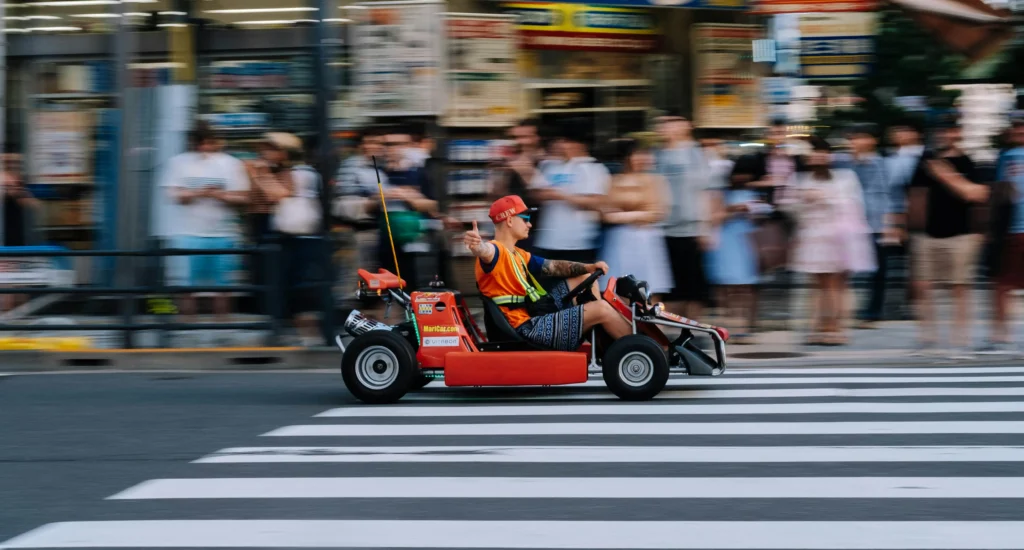
This one’s important if you want to do the famous go-karting through the streets of Tokyo, which is you’ll need an International Driving Permit (IDP) to legally drive. If you’re based in the UK you can get this from most PayPoint stores for £5.60.
You’ll just need your driving licence and a passport photo. Make sure you do this before your trip because you can’t get it once you’re in Japan. Without it you won’t be allowed to drive the karts, even if you have your UK licence (and even if you have paid for it). It’s one of those easy things to forget but essential to have sorted before you fly.
5. Get an eSim
Having internet access while you’re in Japan makes such a difference as it allows you to translate menus to using Google Maps, trust me you will be using it constantly. The easiest option is to get an eSIM and my two favourites are to get them from Klook (a 10 day unlimited sim starts from £24) or Holafly (a 10 day unlimited sim starts from £30) – you can even use my discount code THEGIRLSTRIPTO for 5% off!
It activates straight away so there’s no need to pick anything up at the airport or change physical SIM cards. Once it’s set up you’ll have data everywhere, which is especially helpful when you’re travelling between cities or navigating train stations.
6. Be Prepared For No Bins
Something that always surprises people is how clean Japan is given how few bins there are. It’s one of those things you only notice once you’re walking around, but it’s actually part of the culture. Most people carry small bags for their rubbish and take it home or find bins in convenience stores. It’s all about personal responsibility and respecting shared spaces, which is why everything looks spotless.
And as for eating it’s generally considered impolite to eat while walking. Most locals eat inside cafes, restaurants or at seating areas outside convenience stores. It’s not a strict rule but following it helps you blend in with local customs.
7. Convenience Stores Are an Experience
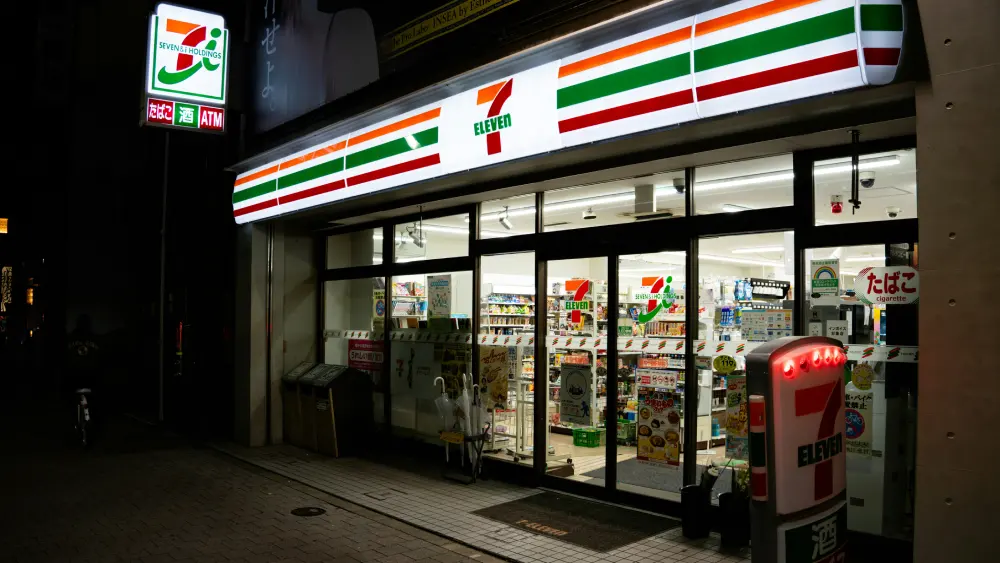
Japan’s konbini (convenience stores) like 7-Eleven, Lawson and FamilyMart are genuinely worth visiting. They’re open 24/7 and the food is surprisingly good. You’ll find everything from freshly made sandwiches and sushi to warm meals and desserts. They’re also great for picking up drinks, onigiri rice balls (literally my fave) or sweets before a long train ride. Each store has its own exclusive items so it’s worth visiting a few different chains just to see what they have. Don’t be surprised if you end up eating breakfast or even a quick dinner as they’re affordable, convenient and part of the experience.
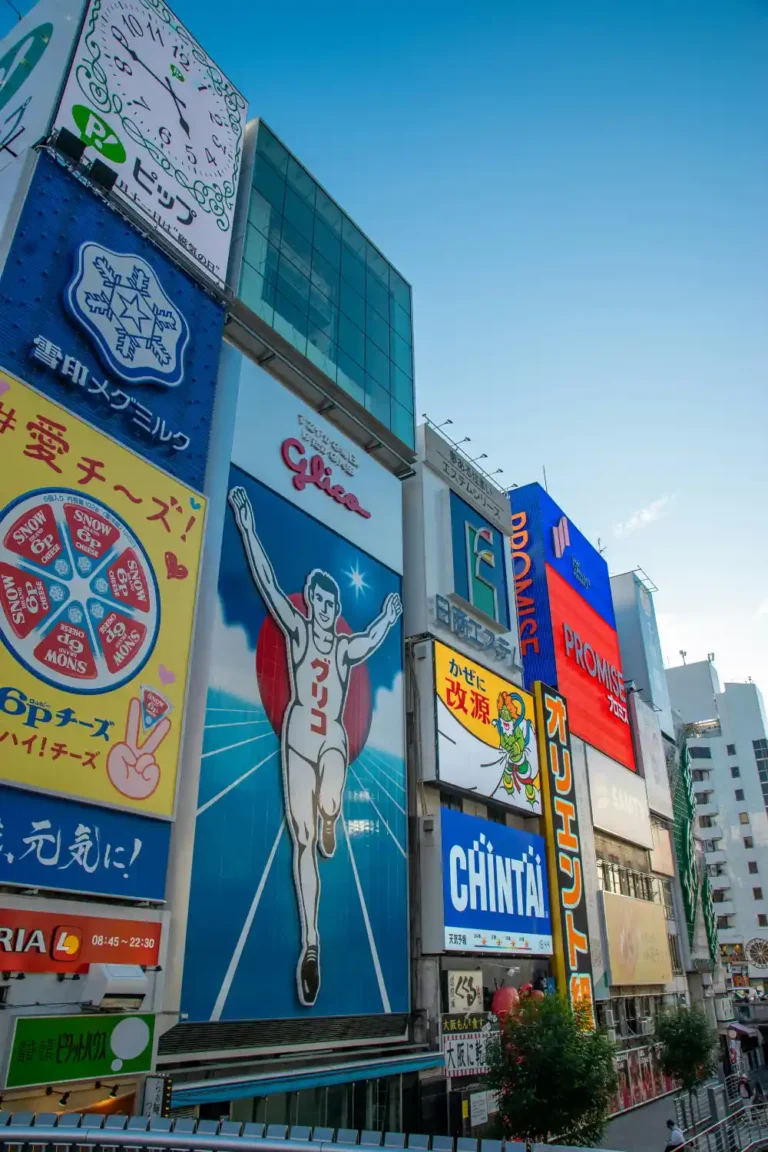
Popular Attractions in Osaka
8. Toilets in Japan
It might not be something you’d expect to stand out on a trip, but Japanese toilets are honestly in a league of their own. Even in train stations or public parks, they’re spotless, modern and usually equipped with more buttons than you’ll know what to do with. Heated seats, built in bidets deodorising sprays and even sound effects to cover any noise, they’ve really thought of everything.
There’s a level of comfort and privacy that you don’t really find anywhere else and it’s one of those small things that makes daily life in Japan feel so easy. Even when you’re out exploring for hours, it never feels like a struggle to find a clean, functioning restroom which if you’ve travelled in other major cities, you’ll know is a big deal.
That said some smaller train stations or rural areas may not have toilets as easily accessible, so it’s worth downloading the Flush app before you go. It shows you exactly where the nearest restroom is and gives walking directions. It sounds simple but after a day of sightseeing and endless cups of matcha or iced coffee, you’ll be so glad you have it. And yes you’ll probably find yourself missing Japanese toilets once you’re home. Everyone does.
9. There’s No Tipping in Japan
I was actually surprised to learn that tipping isn’t part of the culture in Japan, in fact it’s usually refused. Service here isn’t something people expect to be rewarded for as it’s considered part of the job to take pride in what you do and provide excellent service to everyone equally. At first it can feel strange not leaving a little extra after a great meal or taxi ride, but once you understand the reason behind it, it makes sense.
The idea is that good service should be standard, not transactional. In some cases leaving a tip can actually make a person uncomfortable because it breaks that social balance. So when you get amazing service (and you will because the service is AMAZING everywhere), the best thing to do is simply say “Arigatou gozaimasu” (which means thank you very much) and give a small bow or smile.
It’s the most genuine way to show appreciation and it’s always received warmly. This approach is part of what makes Japan such a pleasant place to travel as everything feels quietly respectful, and there’s no expectation or awkwardness in interactions.
10. Learn a Few Japanese Phrases
You can easily get around Japan with English especially in big cities like Tokyo or Osaka, but learning a few simple Japanese phrases goes a long way. Locals really appreciate it when visitors make even a small effort as it shows respect for their culture and makes exchanges feel a little more personal.
Here are some basics you can start with:
- Konnichiwa – Hello
- Ohayou gozaimasu – Good morning
- Arigatou gozaimasu – Thank you very much
- Sumimasen – Excuse me / Sorry / Thank you for your help
- Hai – Yes
- Iie – No
Even if your pronunciation isn’t perfect people will always respond kindly. I noticed that using small phrases like “sumimasen” or “arigatou” when shopping or asking for help instantly made interactions smoother and friendlier. You don’t need to become fluent but knowing a handful of these words adds an extra layer of connection to your trip, and it’s always a nice feeling when someone smiles back because you tried.
11. Bring a Power Bank
Days in Japan are long especially if you’re sightseeing from morning to night, I usually started my day at 9am and didn’t get back to the hotel until 9pm. Between taking photos, using Google Maps, translating menus, and checking train times your phone battery will drain quicker than you expect. That’s why carrying a power bank with you is essential!! It doesn’t have to be huge but make sure it holds at least one or two full charges.
You can buy one off on Amazon as It’s cheaper to bring one from home. I made it part of my nightly routine to plug it in before bed so it was ready for the next day. Having it in your bag means you can use your phone freely without constantly worrying about running out of battery, which is especially handy when you’re relying on your phone for tickets, directions and translations. If you’re planning a full day trip like going to Universal Studios Osaka or exploring Kyoto’s temples, you’ll be so glad you brought one.
12. Onsen Etiquette (Hot Springs)
Visiting an onsen (which is a natural hot spring bath) is one of Japan’s most relaxing and traditional experiences. It’s something I definitely recommend trying at least once but there are a few important customs to know before you go. Firstly all onsens require you to bathe completely naked (yes you read the right). It might feel awkward at first but everyone is in the same situation and it’s completely normal in Japan. You’ll shower and wash thoroughly before entering the communal bath as cleanliness is a big part of the ritual.
And secondly you need to know that tattoos are often not allowed in many traditional onsens, as they’ve historically been associated with organised crime. The rule has nothing to do with tourists personally but it’s a long standing cultural norm. If you have small tattoos, some onsens will let you enter if you cover them with waterproof patches. Others are more relaxed, particularly those in modern hotels or private baths. Always check in advance so there are no surprises when you arrive. Onsens are a chance to completely disconnect. No phones, no distractions just quiet and stillness. After a few busy days in Tokyo or Kyoto, it’s the perfect way to unwind and experience a more traditional side of Japan.
An Onsen experience start from £10 and can be booked in advance of your visit. I’ve linked one below which is for Toyosu Manyo Club and has an amazing skyline view of the city.
13. Pack Light (You’ll Thank Yourself Later)
Japan is a honestly such a dream for shopping, whether it’s skincare, fashion, homeware, snacks, or stationery, you’ll find things here that you just can’t get anywhere else. I told myself I’d pack light and even then I still ended up with a suitcase overflowing with souvenirs. You’ll find entire stores dedicated to matcha treats, rare KitKat flavours and perfectly wrapped gifts that make you want to buy one of everything. Then there are places like Don Quijote and Muji where you’ll easily lose hours wandering the aisles. Because everything is so well packaged and unique, it’s hard not to want to take a bit of Japan home with you. So if you can leave a little extra space (or pack an extra tote or small suitcase).
You’ll also find coin lockers in most train stations, which are perfect for storing bags or shopping if you’re travelling between cities. It makes day trips easier and keeps you hands free while exploring. Packing light on the way there means you’ll have all the space you need for the way back and trust me you’ll fill it.
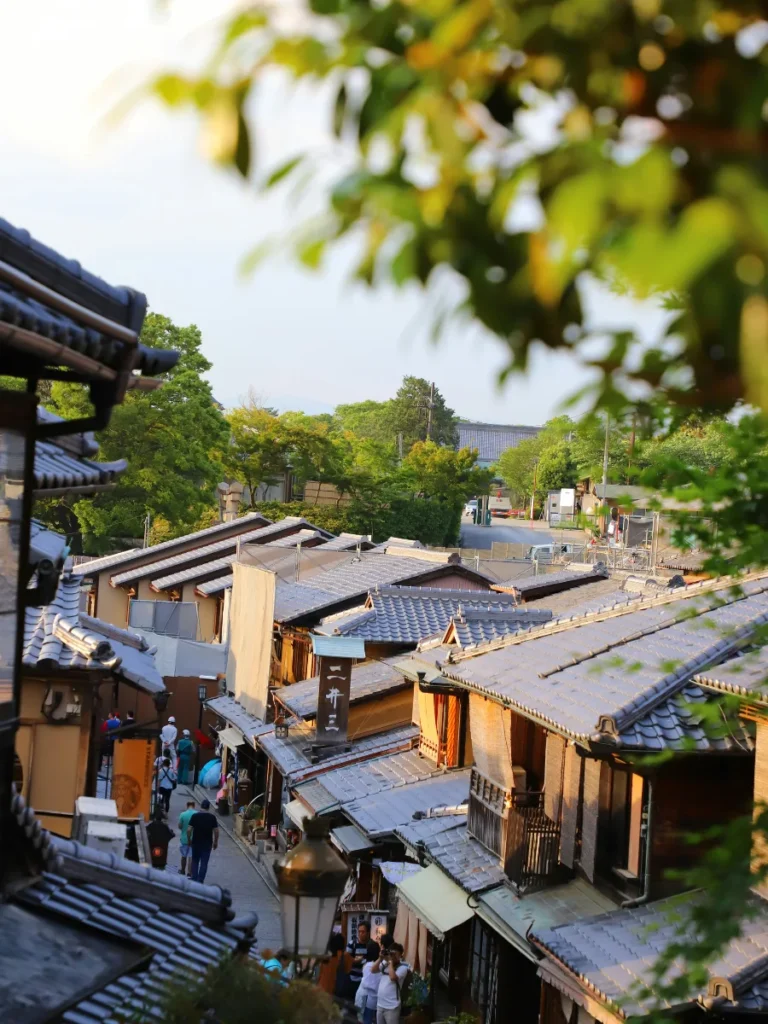
14. Give Kyoto the Time It Deserves
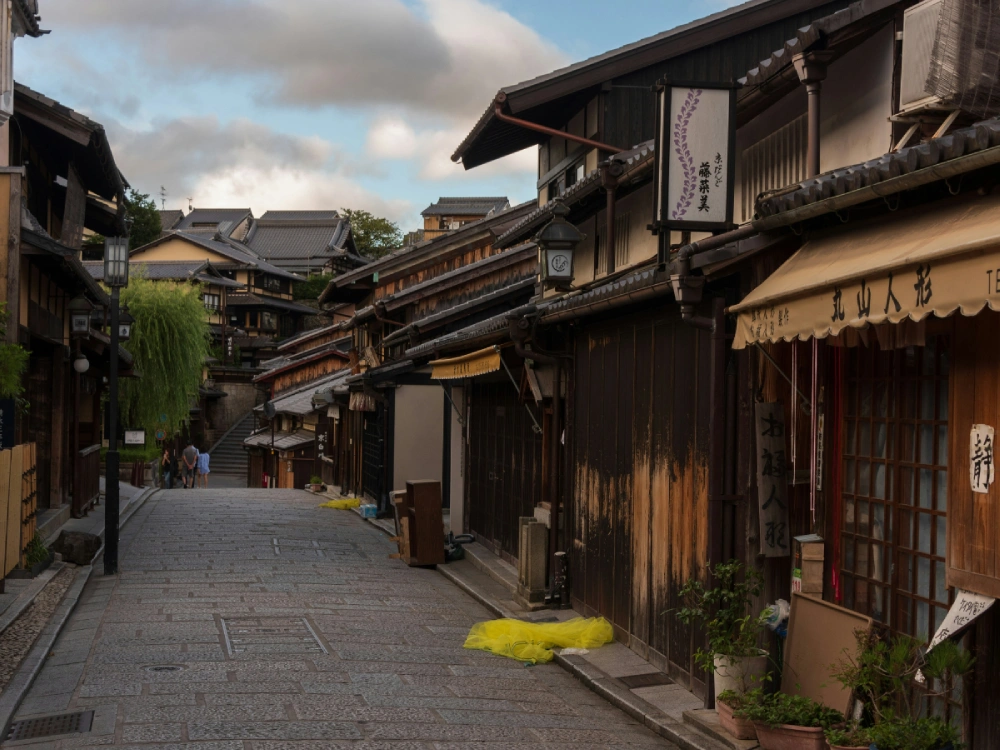
Kyoto is one of those places you’ll feel the moment you arrive. With over a thousand years of history, hundreds of temples and shrines, ancient tea houses, geisha districts and peaceful gardens it deserves more than just a quick in and out visit. If you only stay one day you’ll leave feeling like you just scratched the surface. From my own travels I’d strongly recommend spending at least three to four days in Kyoto.
That allows you to explore different neighbourhoods like Gion in the evening, Arashiyama’s bamboo forest, the Fushimi Inari shrine walk and even some slower moments hiding away in a temple garden. It gives you time to soak in the atmosphere, linger over matcha in a historic teahouse and enjoy those quieter corners that make Kyoto special. So if your itinerary currently has Kyoto as a “day trip from Tokyo” please stop and rethink it. Extend it. I’ve also put together a 4 day itinerary for Kyoto that you can read here.
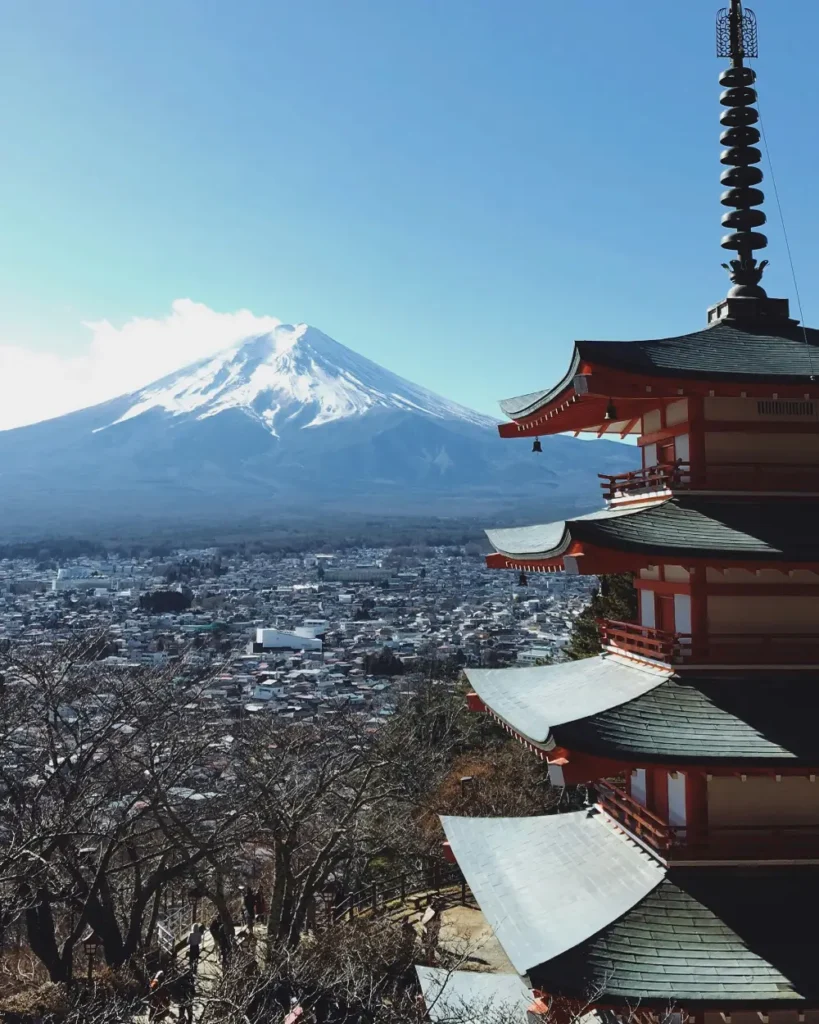
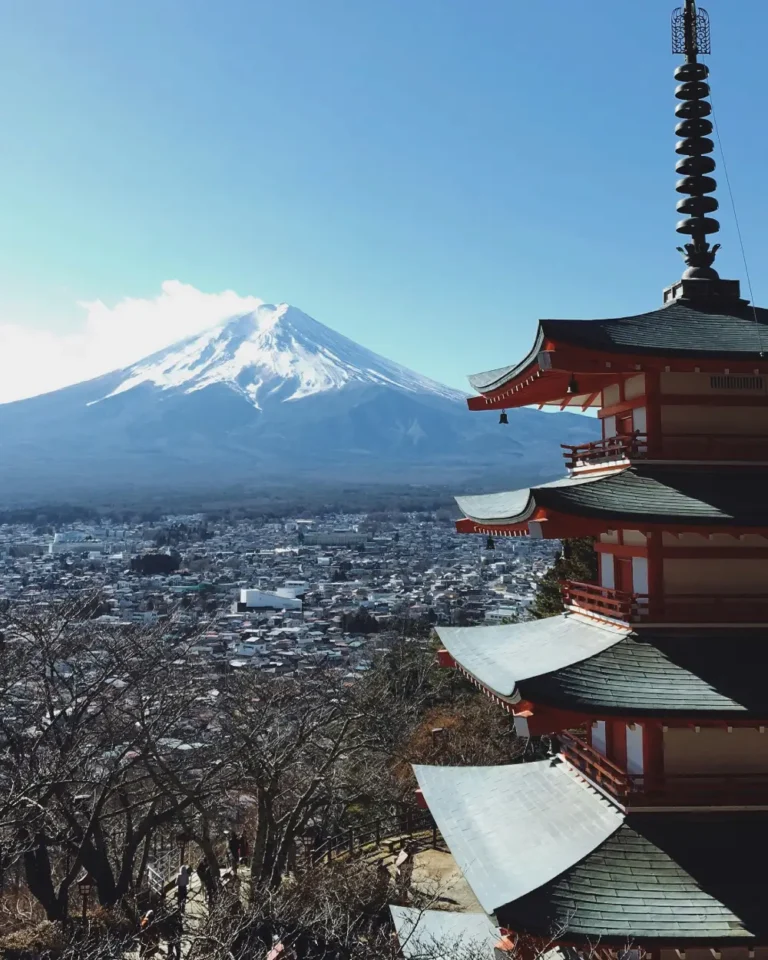
15. Visiting Mount Fuji
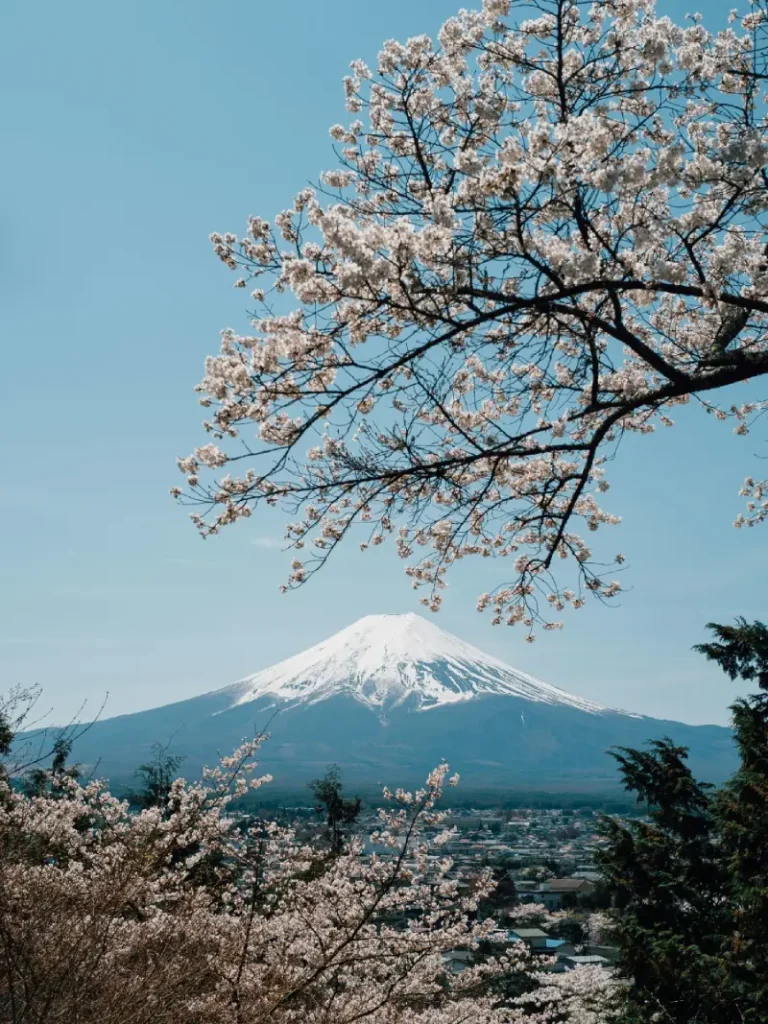
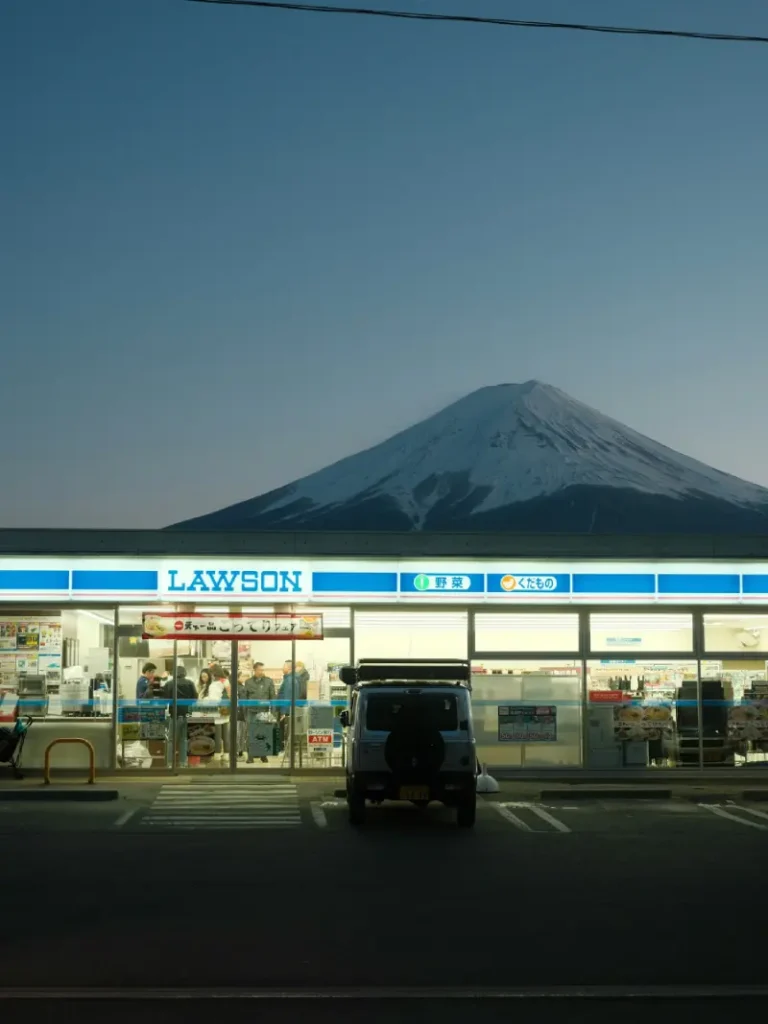
Seeing Mount Fuji is on so many travel bucket list (mine included) and yes it’s incredibly beautiful but it’s also a little trickier than you might think if your goal is a clear, iconic view. So here are some things to know:
- The best months to see Mount Fuji clearly are November to February, when the air is crisp and skies tend to be clearer overall. In contrast the summer months (June to August) have higher humidity with more clouds and haze, which means the mountain can often be hidden.
- Time of day matters aa early mornings (especially around dawn) tend to give you the best chance of an unobstructed view before cloud cover builds up.
- To give you some stats it’s estimated that Mount Fuji is only fully visible around 70% of the days during winter, but drops significantly outside that season.
If seeing Fuji clearly is a priority, plan for one overnight around the Mount Fuji/Kawaguchiko, aim to head out early in the morning, and build a little flexibility into your schedule (in case it’s cloudy). And even if the mountain isn’t crystal clear just being there near the base of it or by one of the lakes is still pretty magical.
You can book a day trip directly with Klook with prices starting from £35 (prices may change due to seasonality) and this includes your transportation and an English speaking guide. It also includes the stops I referenced above and a couple more which will allow you to see Mount Fuji in all different angles.
I hope this guide on things to know before going to Japan has helped you with planning your trip! And don’t forget if you are booking your activities through Klook, use THEGIRLSTRIPTOKLOOK for a discount and get ready for a trip you’ll never forget.